

Finding a reliable steel supplier is important for construction, fabrication, manufacturing, and home improvement projects. The quality of materials you purchase can affect the strength, durability, and overall success of your work. When searching for steel supplies near me, it is essential to consider more than just location. Product quality, material availability, pricing, and supplier reliability all play important roles in making the right decision.
Whether you need steel pipes, tubes, sheets, plates, or structural sections, choosing the right supplier can help you complete your project efficiently while avoiding unnecessary costs and delays.
Understand Your Steel Requirements
Before choosing a supplier, identify the materials your project requires. Different applications need different steel products, grades, and dimensions.
For example, steel beams and channels are commonly used in construction, while steel tubes and pipes are widely used in fabrication and mechanical applications. Steel sheets and plates are suitable for various manufacturing and structural purposes.
Understanding your project requirements helps you select appropriate steel supplies without purchasing materials that may not be suitable for your intended application.
It is also important to consider the required thickness, length, diameter, and material grade before placing an order.
Check the Supplier’s Product Range
A dependable supplier should offer a variety of steel products to support different project requirements.
When comparing steel and metal supply providers, look for suppliers offering commonly used products such as steel pipes, tubes, flat bars, angles, channels, sheets, and plates.
Having access to multiple product categories makes purchasing more convenient, particularly when a project requires different materials.
A broad product selection can also help fabricators, contractors, and businesses source their materials from one supplier rather than dealing with several companies.
Consider Steel Quality and Material Grades
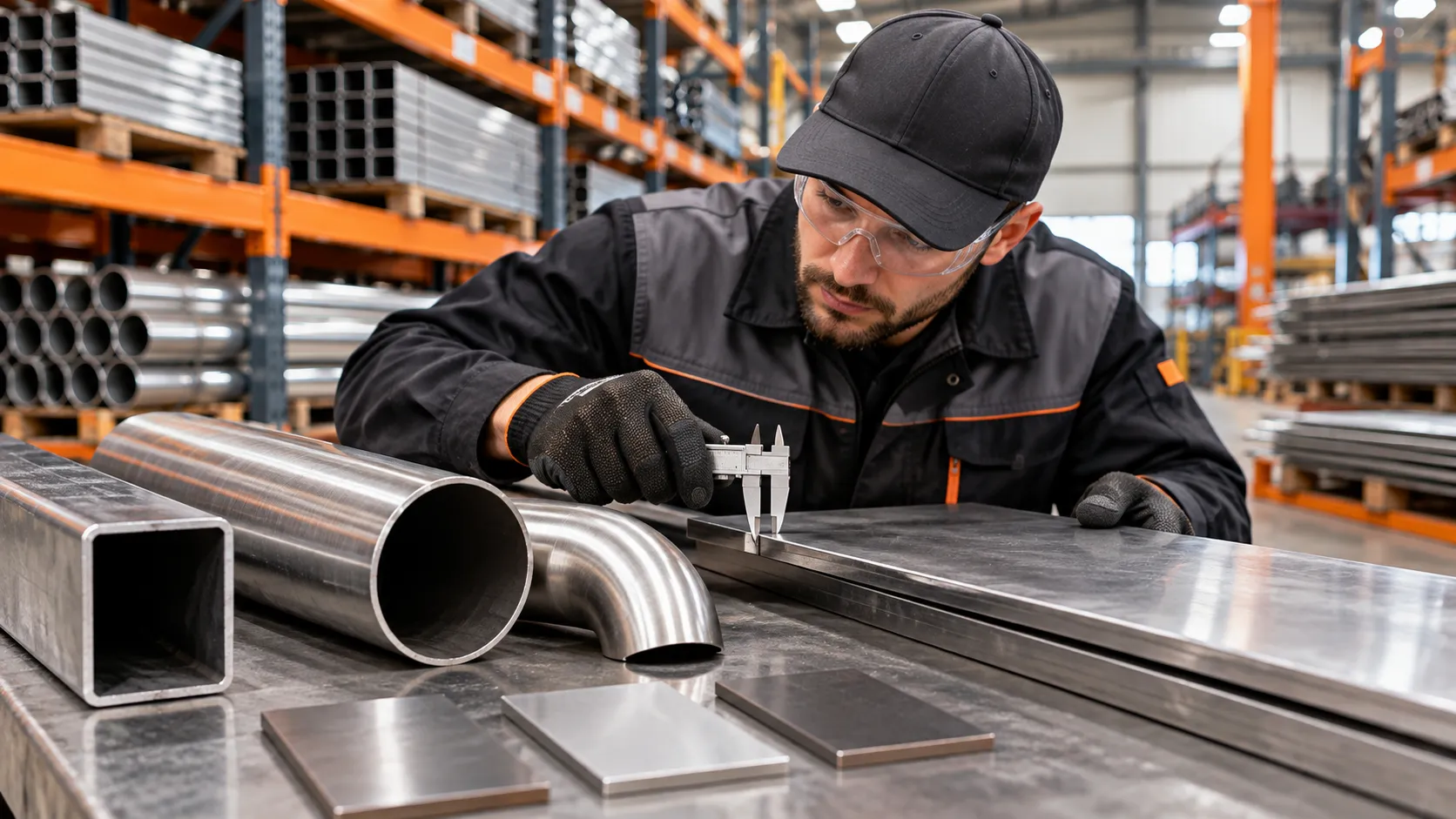
Steel quality is one of the most important factors when selecting materials for any project.
Different steel grades offer different properties, including strength, corrosion resistance, weldability, and durability. Choosing the wrong grade may affect performance or require additional maintenance.
For example, mild steel is commonly used in general fabrication and structural applications, while stainless steel is often preferred where corrosion resistance and appearance are important.
If your project involves plumbing-related systems, industrial applications, or fabrication requiring corrosion-resistant materials, reviewing Stainless Steel Pipe options can help you understand the available products.
Always confirm the relevant material specifications before purchasing, especially for projects with particular engineering or safety requirements.
Compare Steel Prices and Overall Value
Price is an important consideration, but selecting steel based only on the lowest cost may not always provide the best value.
Material quality, dimensions, availability, and delivery requirements can all influence the overall cost of a project.
Before purchasing, compare prices for similar steel grades and specifications. Make sure you understand whether the quoted price applies to a single piece, a specific length, or another measurement.
Choosing properly specified materials can help reduce waste, unnecessary replacements, and additional fabrication expenses.
A reliable supplier should also provide clear product information so buyers can make informed purchasing decisions.
Choose the Correct Steel Size and Dimensions
Selecting accurate measurements is essential for successful fabrication and installation.
Steel products are available in different lengths, widths, thicknesses, diameters, and profiles. Even minor measurement differences can create problems when assembling structural components or manufacturing parts.
For steel pipes and tubes, consider outside diameter, wall thickness, and required length. For sheets and plates, confirm the thickness and overall dimensions.
Before ordering, double-check your project drawings and measurements to avoid purchasing unsuitable materials.
Correct sizing can help minimise cutting waste and make installation more straightforward.
Check Product Availability and Supply Reliability
Material availability is another important factor when selecting a steel supplier.
Construction and fabrication projects often operate within specific schedules. Delays in receiving materials can affect production, installation, and project completion.
Before purchasing, confirm whether the required steel products are available and whether the supplier can meet your quantity requirements.
If your business regularly uses steel, working with a dependable supplier can make ongoing material planning easier.
Reliable availability is particularly valuable for contractors and fabricators managing multiple projects.
Consider Delivery and Material Handling
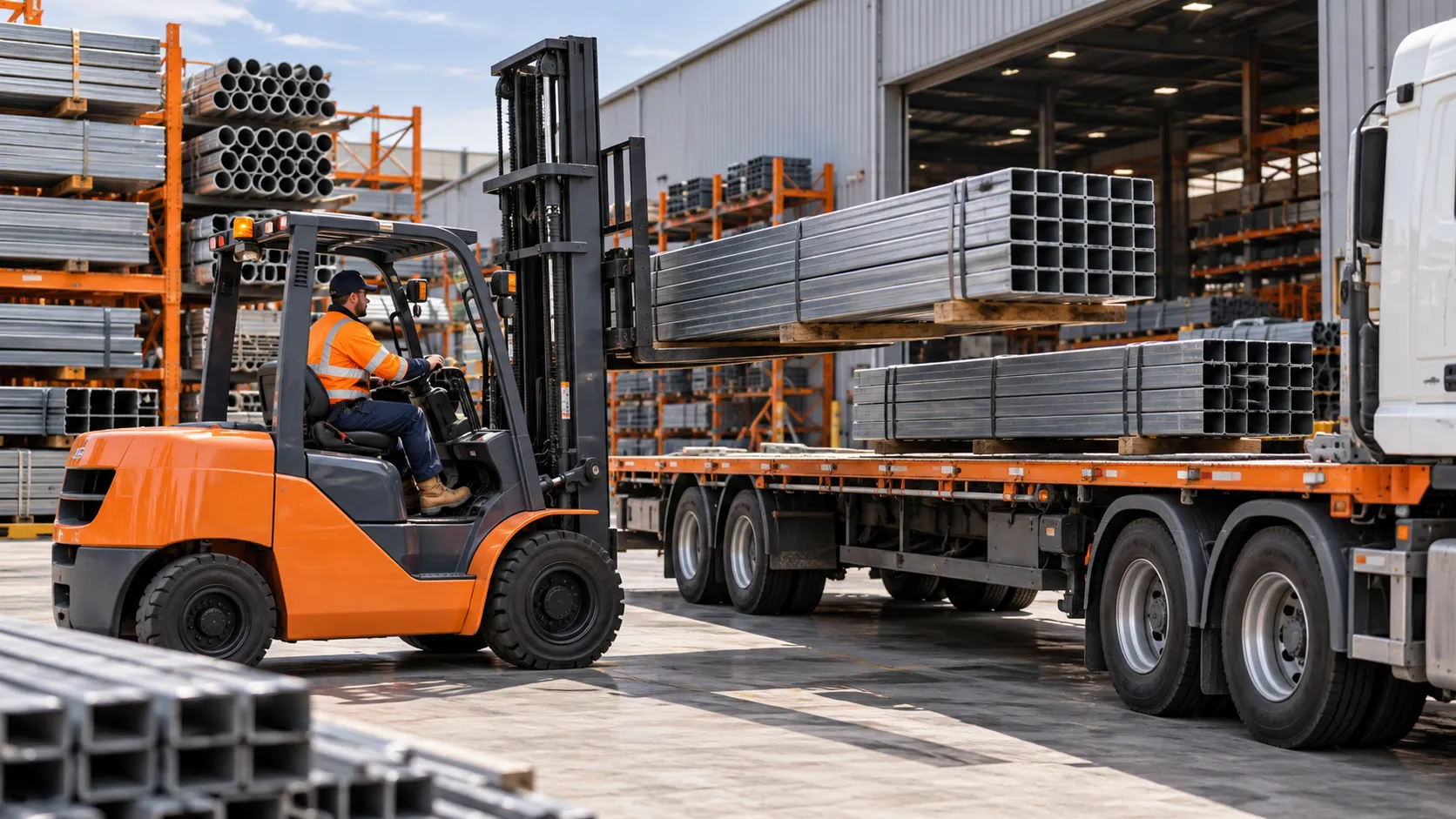
Steel products can be heavy, long, and difficult to transport without suitable equipment.
When choosing a supplier, consider how the materials will reach your workshop, construction site, or storage facility.
Large steel sections, heavy plates, and long pipes may require appropriate transportation and unloading arrangements.
It is also important to prepare a safe storage area before the materials arrive. Proper handling helps prevent damage and keeps the material in suitable condition before fabrication.
Planning transportation and storage requirements can reduce unnecessary complications during your project.
Look for Helpful Product Information
A good steel supplier should make it easier for customers to understand the products they are purchasing.
Clear material descriptions, dimensions, grades, and specifications can help buyers compare different steel options.
For projects requiring particular performance characteristics, accurate product information is especially important.
Whether you are an experienced fabricator or purchasing steel for the first time, having access to relevant specifications can support better purchasing decisions.
It is always worth checking material suitability before committing to a purchase.
Final Thoughts
Choosing the right steel supplier involves more than finding the nearest business or comparing prices. Product range, material quality, accurate specifications, availability, and reliable service should all influence your decision.
Before purchasing, take time to understand your project requirements, compare suitable materials, and verify important dimensions and grades.
Steel Mart offers a selection of steel products for construction, fabrication, manufacturing, and general project requirements. Whether you need pipes, tubes, structural sections, or other steel materials, reviewing your options carefully can help you select products that suit your needs and budget.
Read More: Stainless Steel Plate: A Practical Guide to Grades, Uses and Selection
