
Introduction
Camping, hiking and other outdoor adventures offer an opportunity to explore nature, but unexpected situations can quickly change your plans. Bad weather, injuries, navigation problems or an unplanned overnight stay can leave you without access to regular meals. Carrying emergency food provides an important backup and helps you stay prepared when your outdoor trip does not go exactly as planned.
Why Is Emergency Food Important Outdoors?
When you are away from home, access to grocery stores, restaurants and other food sources may be limited. Emergency food can provide convenient nutrition when regular meals are unavailable.
Some important benefits include:
1. Backup during delays:
If your trip takes longer than expected, extra food can help you manage until you return.
2. Energy for physical activity:
Hiking and climbing can require significant energy, making adequate food supplies important.
3. Convenient preparation:
Many emergency food products are designed to be stored and prepared easily.
4. Long-term storage:
Shelf-stable foods can often be kept for extended periods when stored according to the manufacturer’s instructions.
5. Greater preparedness:
Having backup food can provide peace of mind when travelling through remote areas.
What Should You Look for in Outdoor Emergency Food?
Not every food is suitable for carrying in a hiking backpack. The best options should be practical, durable and appropriate for your trip.
1. Lightweight and Compact
Weight is an important consideration when hiking long distances. Choose foods that provide useful nutrition without taking up too much space in your backpack. Freeze-dried and dehydrated products can be particularly convenient for this purpose.
2. Long Shelf Life
Emergency food should be suitable for storage over an extended period. Check the product’s best-before date and storage instructions before packing it for an adventure.
3. Easy to Prepare
Consider how much cooking equipment you will have available. Foods requiring minimal preparation can be especially useful during emergencies or when camping in remote locations.
Types of Emergency Food for Outdoor Adventures
A combination of different foods can provide greater variety and flexibility.
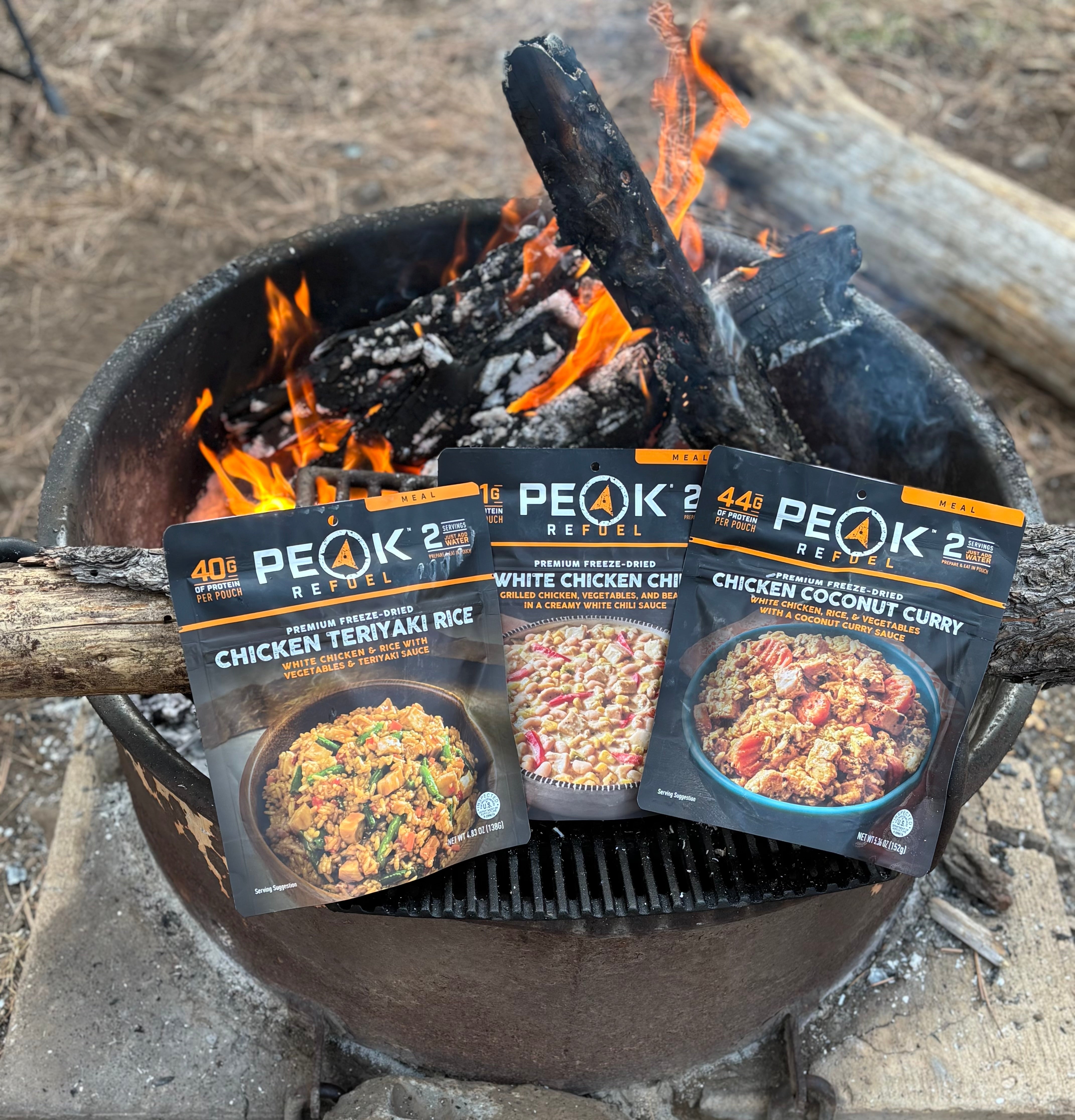
1. Freeze-dried meals:
Lightweight meals that can be convenient for camping and backpacking.
2. Dried fruits and vegetables:
Easy to pack and useful as snacks or meal ingredients.
3. Rice and grains:
Practical staples when you have access to cooking equipment.
4. Prepared meals:
Convenient options when you want to reduce meal preparation.
5. Energy-dense snacks:
Useful for maintaining energy between meals during demanding activities.
Store Your Emergency Food Properly
Proper storage helps protect emergency food from moisture, heat, pests and damage. Keep packaging sealed and follow the manufacturer’s recommended storage conditions. Before every major trip, check your supplies for damaged packaging or expired products. Replacing older products regularly can help ensure that your emergency food is ready when you need it.
Combine Food With Other Emergency Supplies
Food is only one part of outdoor preparedness. Consider carrying other essential equipment, such as:
1. Drinking water and water purification supplies
2. A first aid kit
3. A flashlight or headlamp
4. Navigation equipment
5. Emergency communication devices
6. Fire-starting equipment
7. Weather-appropriate clothing
8. Emergency shelter or blankets
Conclusion
Before heading outdoors, consider your destination, weather conditions, activity level and potential risks. With the right food and emergency supplies, you can enjoy your adventure while being better prepared for unexpected situations.
