
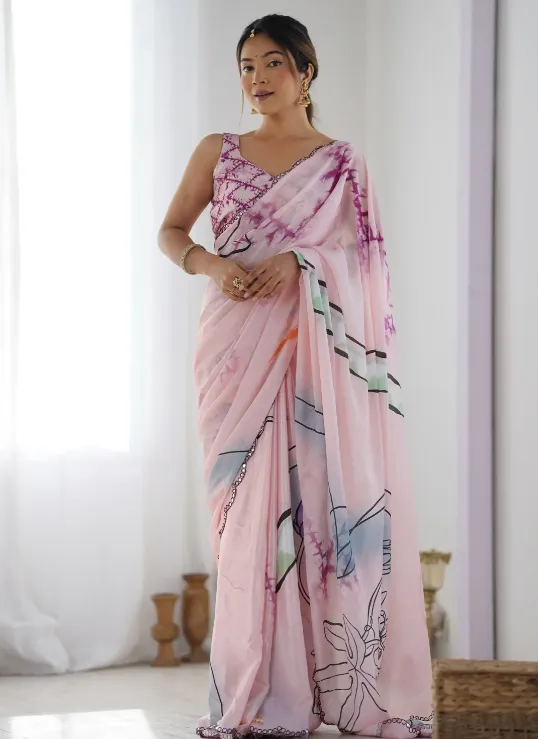
An online collection can contain hundreds of designs, yet a filter for colour may hide the one saree whose border you would have loved. When comparing sarees online, begin with the occasion and verifiable details instead of endless scrolling. Fabric labels, printed photographs and stitching options each answer a different question. Build a small shortlist with clear reasons for every choice, so you can tell the difference between a garment you genuinely want and one that merely appeared near the top of a results page.
Start With One Specific Occasion
Before setting filters, write down where you plan to wear the outfit and what you will do there. A seated family lunch asks different things of a saree than an evening event with dancing. Think about indoor lighting, the walking route and how long you will wear the blouse. Decide which two requirements are essential, such as a comfortable border and a colour you already own accessories for. Keeping those priorities visible prevents attractive but impractical designs from dominating the shortlist.
Treat Fabric Names as Clues
Silk, georgette, chiffon and organza describe different material families, but a collection label is not a complete composition certificate. One design might combine a printed outer fabric with a different blouse material or an embellished border. Read the individual listing for the exact pieces supplied and any care instructions. Look for a close view of the material beside a full-length photograph. If the composition matters for comfort or cleaning, ask the seller rather than treating the filter as definitive proof.
Browse Collections Without Assuming Trends
A category titled Sarees may show sequinned party looks beside woven and printed styles, sometimes including sold-out products. Sort order and popularity are not proof that a design will suit your plans. Open each shortlisted product in its own tab and compare the stated fabric, colour and included blouse material. If a thumbnail seems unusual, check the full drape before rejecting it. A wide pallu or contrasting blouse can change the impression completely once the outfit is worn in practice.
Compare Borders at Similar Scale
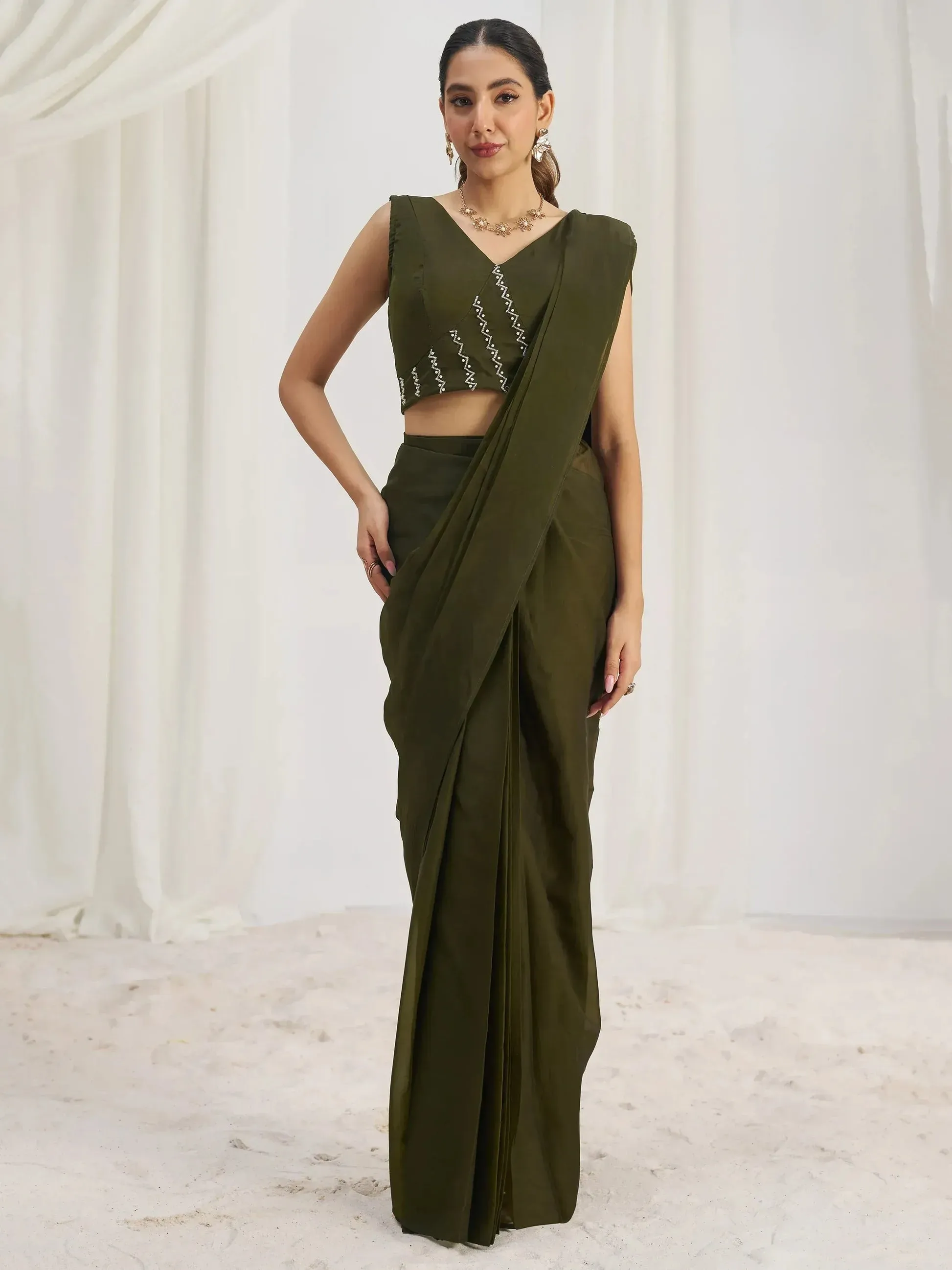
A tight close-up makes every bead look enormous, whereas a full-length picture can hide the border almost entirely. Save one image of each garment showing the same amount of the body, then place them side by side. Notice where the border starts and how it meets the pallu. A narrow woven edge may be exactly what you want for regular wear, while a larger embroidered one may suit a formal gathering. Compare their placement instead of simply counting individual embellishments.
Separate Price From Finished Cost
A saree shown with a beautifully fitted blouse may include only loose blouse fabric in the selected option. Before choosing by price, confirm whether tailoring is available, what the chosen variant includes and how much time alterations will require. Read the return conditions for stitched options as well. Keep five details in a note beside every finalist, so you are comparing complete purchases rather than headline prices. That small record also makes it easier to discuss the designs with someone whose opinion you trust.
-
Fabric and care details
-
Blouse stitching status
-
Border and pallu view
-
Selected size or variant
-
Delivery and return terms
Make the Final Choice Offline
After reducing the list to two, step away from the screen and look at the photographs again in room light. Lay a blouse or pair of earrings you already own beside each image. Notice whether one combination immediately feels familiar and wearable. Avoid buying extra accessories simply to justify a garment whose colour is difficult to match. If both options remain appealing, return to the written requirements you started with. A clear reason to wear an outfit is more useful than another hour of scrolling.
Conclusion
Good online shopping ends with fewer open tabs and a clearer picture of the outfit arriving at your door. The most useful shortlist is not the longest one; it is the one where each design has earned its place through fabric, construction and occasion. Confirm the final variant before paying and keep the product description with your receipt. When the parcel arrives, you will know which details to check because you chose them deliberately, not because a filter happened to put the garment first.
