
Maintaining daily wellness requires consistent attention to nutrition, lifestyle choices, and overall health. Alongside a balanced diet and regular physical activity, many people explore traditional herbal products to complement their wellness routines. Ayurvedic supplements offer options inspired by centuries-old Indian practices, featuring ingredients such as Ashwagandha, Amla, Brahmi, Shatavari, Turmeric, and Triphala.
However, choosing suitable products requires an understanding of their ingredients, quality, and traditional applications. Before deciding to purchase Ayurvedic supplements, consumers should consider their individual requirements, examine product labels, and understand how different herbal preparations fit into everyday wellness practices.
1. Understand the Basics of Ayurvedic Supplements
Ayurveda is a traditional Indian system of wellness that focuses on maintaining balance through nutrition, lifestyle practices, and herbal preparations. It recognizes three doshas: Vata, Pitta, and Kapha, which represent different functional characteristics. Ayurvedic supplements feature natural ingredients traditionally used in various wellness preparations.
Popular examples include Ashwagandha, Brahmi, Amla, Shatavari, Turmeric, and Triphala. These ingredients are available as powders, tablets, and specialized formulations. Understanding their traditional applications, ingredients, and product formats helps consumers make informed choices when exploring herbal wellness options.
2. Identify Your Personal Wellness Requirements
Selecting suitable Ayurvedic supplements begins with understanding your individual wellness priorities. Different herbs have different traditional applications, making ingredient knowledge important when comparing products. Ashwagandha is traditionally associated with stress management and vitality, while Brahmi is commonly explored for memory and concentration.
Triphala is valued in traditional digestive wellness practices, whereas Shatavari is recognized for women’s wellness. Similarly, Turmeric and Amla are popular herbal ingredients. Consider your dietary preferences, existing health conditions, and product suitability before choosing supplements. Consulting a qualified healthcare professional can also help guide informed decisions.
3. Examine Ingredient Quality and Organic Certification
Ingredient quality plays an important role when evaluating Ayurvedic supplements. Products can differ in their sourcing, processing, purity, and formulation. Therefore, examining ingredient declarations and available quality information is essential.
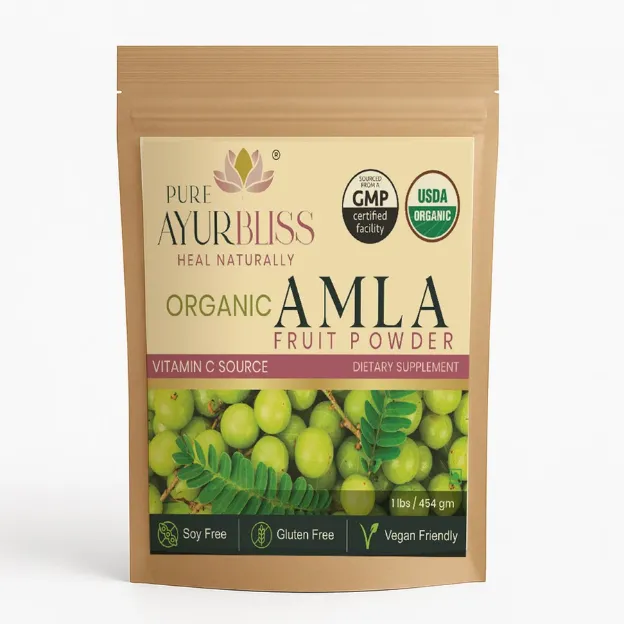
Consumers interested in organic Amla powder should check its ingredient list, sourcing details, processing information, and packaging. Organic certification can provide additional information about agricultural production practices.
Consider these factors when evaluating herbal products:
● Clearly identified botanical ingredients and quantities.
● Transparent manufacturing and sourcing information.
● Appropriate packaging and storage instructions.
● Available quality testing and certification details.
● Clear serving recommendations and expiry information.
These considerations help consumers compare products beyond their appearance or promotional descriptions.
4. Explore Popular Ayurvedic Ingredients
Understanding commonly used herbs provides a useful foundation for selecting products according to individual preferences.
Ashwagandha
Ashwagandha is traditionally associated with vitality, resilience, and stress management. It is available in powder, tablet, and extract formulations, offering different preparation options.
Brahmi
Brahmi has an established place in traditional Ayurvedic practices related to memory, concentration, and cognitive wellness. Consumers can explore it in powder and tablet formats.
Shatavari
Shatavari is traditionally valued in women’s wellness preparations. It is commonly available as herbal powder and tablets.
Triphala
Triphala combines three traditional fruits and is frequently included in Ayurvedic preparations associated with digestive wellness.
Amla
Amla, also called Indian gooseberry, is recognized for its vitamin C content and longstanding importance in Ayurvedic formulations.
Learning about these ingredients helps consumers understand product compositions and make more informed comparisons.
5. Compare Different Ayurvedic Supplement Formats
Ayurvedic supplements are available in different formats to accommodate preparation preferences and everyday routines.
Herbal Powders: Powdered preparations are commonly used in traditional Ayurvedic practices. Depending on product instructions, they can be mixed with water or incorporated into suitable food preparations. They offer flexibility but may require additional preparation time.
Tablets and Capsules: These formats provide convenient, measured servings and are easier to carry. Consumers should check ingredient quantities and follow the recommended serving instructions.
Resins and Specialized Preparations: Shilajit is available in forms such as resin, tablets, and honey sticks. Buyers should examine purity information, ingredient composition, and available quality testing.
The appropriate format depends on convenience, product composition, personal preferences, and individual suitability. Always review the manufacturer’s instructions before use.
6. Understand Traditional Amla Powder Uses
Amla, also known as Indian gooseberry, holds an important place in traditional Ayurvedic wellness because of its naturally occurring vitamin C and antioxidant compounds. Understanding Amla powder uses helps consumers explore its role in traditional dietary and herbal preparations. It can be mixed with water or incorporated into suitable foods according to product instructions.
When choosing Amla powder, examine its ingredient composition, processing methods, packaging quality, and storage recommendations. Selecting a clearly labeled product helps consumers make informed decisions about incorporating this traditional ingredient into their daily wellness routine.
7. Follow Dosage Instructions and Safety Guidelines
Natural ingredients still require responsible consumption. Taking excessive quantities does not necessarily improve results and may increase the possibility of unwanted reactions. Before using a supplement, read its serving recommendations, ingredient declarations, and safety information. Avoid combining products containing overlapping ingredients without appropriate professional guidance.
Certain herbs may interact with medications or may not be suitable during pregnancy, breastfeeding, or specific medical conditions. Anyone experiencing unexpected reactions should discontinue use and seek medical advice. Herbal supplements should complement responsible healthcare decisions rather than replace prescribed treatments.
8. Evaluate Packaging and Brand Transparency
Product packaging and manufacturer information are important indicators to consider during the selection process. Well-labeled products should clearly communicate their ingredients, serving instructions, batch details, manufacturing information, and expiry dates.
Check whether packaging protects the contents from moisture, contamination, and unsuitable storage conditions. Additional information about sourcing, quality testing, and certifications can help consumers evaluate product transparency. Avoid relying entirely on customer testimonials or promotional claims when comparing supplements. Instead, prioritize verifiable product information and realistic descriptions of traditional applications.
Conclusion
Choosing Ayurvedic supplements requires understanding traditional ingredients, evaluating product quality, and considering individual wellness needs. From herbal powders to tablets, each formulation offers different benefits and practical considerations. By checking ingredient labels, sourcing information, and usage instructions, consumers can make informed decisions and purchase Ayurvedic supplements that complement a balanced lifestyle and responsible daily wellness routine.
For individuals exploring traditional herbal wellness, PureAyurBliss offers Ayurvedic wellness products, including herbal powders, tablets, and selected Shilajit preparations. Their range features Ashwagandha, Amla, Brahmi, Shatavari, Triphala, and Turmeric. Customers can explore products by ingredients, dosha types, formats, and wellness interests, alongside educational resources and Ayurvedic consultation options. Explore their collections for traditional herbal preparations and everyday wellness choices.
