
A rental property left unoccupied for several months may require more attention than an ordinary change of tenants. Plumbing fixtures remain unused, small leaks can go unnoticed, and closed rooms may develop moisture problems. Even when the house appears tidy, its condition should be assessed before new occupants arrive.
Property managers considering a rental property meth test kit nz should understand the difference between preliminary screening and a comprehensive property assessment. Suspected contamination, building defects, and moisture concerns require different approaches. A systematic inspection helps identify what needs further investigation without assuming that every vacant property contains hidden hazards.
Start With the Property’s Vacancy History
The first step is understanding why the home remained empty and what occurred during that period. A property awaiting renovation may have different concerns from one left vacant while its owner travelled overseas. Managers should review available maintenance records, previous inspection reports, and any incidents reported before or during the vacancy.
Information about plumbing leaks, storm damage, unauthorised entry, or earlier repairs may help identify areas requiring attention. However, the absence of reported problems does not establish that the building is free from defects. A current inspection remains important.
Check Building Services Before Occupancy
Water, electricity, heating, and ventilation systems may need attention after extended periods without regular use. Plumbing fixtures should be checked for visible leaks and appropriate operation. Electrical concerns should be referred to qualified professionals rather than investigated through unsafe DIY work. Managers should also assess whether ventilation systems are functioning as intended.
Where water systems have remained unused, appropriate professional advice may be necessary concerning flushing or other precautions. The objective is to confirm that essential services are suitable for occupation, not simply that switches and taps appear to work.
Look for Evidence of Moisture Problems
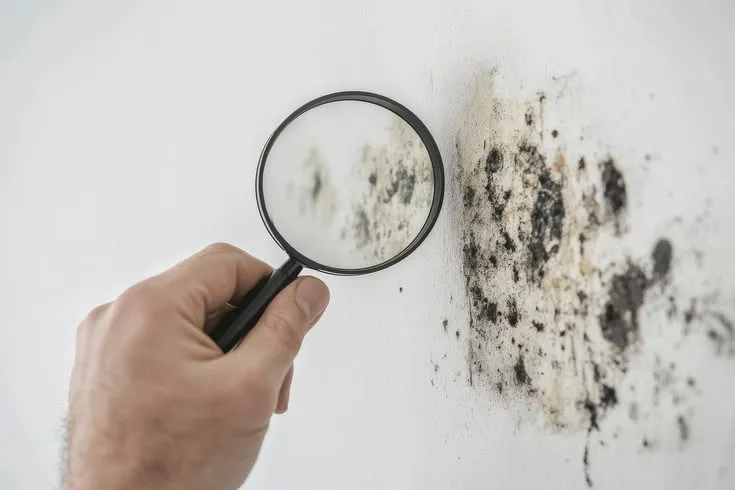
Moisture can accumulate in a vacant property through roof defects, plumbing leaks, condensation, or water entering around windows and doors.
Signs may include staining, musty odours, damaged wall linings, or deterioration of floor coverings.
These observations do not automatically establish mould contamination, but they can indicate that further investigation is appropriate.
Managers should document affected locations and consider whether a building professional needs to identify the underlying moisture source.
Cleaning or repainting a damaged surface without addressing the cause may allow the problem to continue after tenants move in.
Understand the Role of Mould Screening
Property managers researching a mould testing kit nz should review the selected product’s instructions and limitations before using it.
Different screening methods provide different information. A result from one location cannot establish the condition of every concealed area within a building.
Visible mould and persistent dampness generally warrant attention to moisture sources regardless of whether a screening product is used.
Extensive contamination may require professional assessment and appropriate remediation.
A household test should not be treated as a substitute for building investigation or as proof that a property is safe for occupation.
Suspected Contamination Needs Appropriate Investigation
Unusual residues, damaged surfaces, or information about previous activities may raise concerns about possible contamination. However, appearance alone cannot reliably establish whether methamphetamine contamination is present.
Managers should avoid making accusations about former occupants based on unverified observations.
Where testing is justified, the selected method should be appropriate for the intended purpose.
Preliminary screening and formal assessment have different roles, and significant decisions may require qualified testing and interpretation.
Relevant New Zealand guidance and tenancy obligations should be considered before determining whether further investigation or remediation is necessary.
Document the Property’s Condition
A detailed condition record can support maintenance planning and communication with owners, contractors, and incoming tenants.
Useful documentation may include:
-
Photographs: Record visible conditions in individual rooms.
-
Maintenance history: Identify outstanding repairs and previous concerns.
-
Testing information: Retain relevant results and their limitations.
-
Contractor reports: Document professional assessments and completed work.
-
Final inspection: Record the condition before occupation.
Sensitive information should be handled according to applicable privacy requirements.
Clear records provide useful context without replacing the need to meet relevant property standards.
Complete Necessary Work Before Reletting
Once concerns have been identified, managers should establish which repairs, cleaning tasks, or specialist assessments must be completed before tenants move in.
New Zealand rental homes must meet applicable legal requirements, including relevant healthy homes standards and maintenance obligations.
A property should not be considered ready solely because it looks presentable in listing photographs.
Managers should confirm that necessary work has been completed and retain appropriate documentation.
Where the suitability of the property remains uncertain, qualified advice is preferable to relying on assumptions or incomplete screening results.
Conclusion
Reopening a long-vacant rental property requires more than routine cleaning and a fresh set of photographs. Building services, moisture conditions, maintenance history, and suspected contamination may all require attention before new occupants arrive. Screening products can provide limited information, but they do not replace professional assessment or legal compliance. Property managers exploring resources through directdrugtesting.co.nz can consider these distinctions when planning inspections. By documenting conditions, addressing identified defects, and following applicable New Zealand rental requirements, managers can approach reletting with clearer information and greater confidence in the property’s readiness.
