
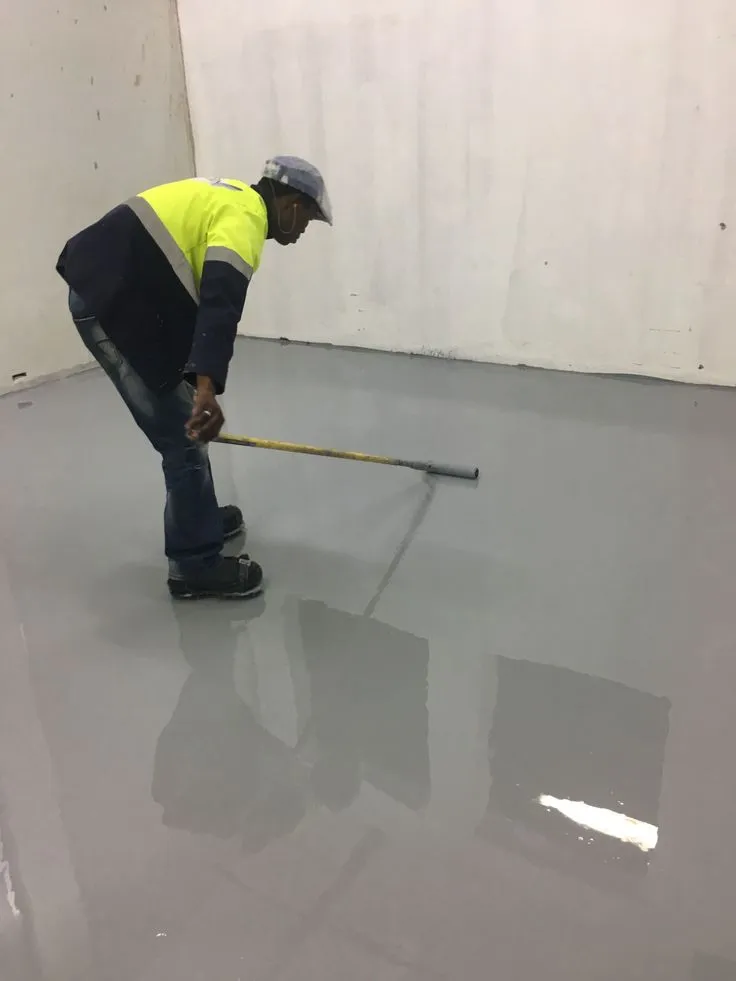
A commercial floor can look sound across most of its surface while problems begin around joints, drains, columns, doorways, and equipment penetrations. These details interrupt the continuity of the concrete and often receive concentrated traffic, moisture, impact, or movement. When they are not assessed carefully before a resinous flooring project, small defects can become recurring repair points. Facility managers can improve long-term performance by treating these transitions as part of the flooring system rather than minor details.
Joints Need More Than a Coat of Resin
Concrete joints exist for different reasons, and they should not all be treated in the same way. Some are designed to accommodate movement, while others are construction-related or have developed damage along their edges. Heavy traffic can chip joint shoulders, particularly where forklifts, carts, or pallet jacks cross the same line repeatedly. Simply covering a deteriorated joint may hide the defect temporarily without correcting the weakness.
Before installation, contractors should identify the joint type, inspect edge condition, and determine what treatment is appropriate.
Drains Create Multiple Stress Conditions
Drains often combine several difficult flooring conditions in one small area. Water, cleaning chemicals, debris, thermal changes, and repeated traffic may all occur around the same transition. Facilities working with Expert Epoxy Floor Installers Nj should ask how the concrete around drains will be prepared and detailed before coating begins. Cracked edges, poor previous repairs, or low areas that hold water can become vulnerable points if ignored.
The flooring system should connect cleanly with drainage details while allowing water to move away rather than collect around the perimeter.
Columns and Equipment Bases Deserve Attention
Columns, machine bases, and fixed equipment create interruptions in the floor that can be difficult to prepare. Old sealants, narrow gaps, grease, and debris may accumulate around these areas over time.
If equipment is being relocated during renovation, the exposed concrete should be inspected instead of assuming it matches the rest of the slab. Hidden cracks, old anchor holes, and previous repairs may need attention before the new surface is applied.
Good access during preparation makes it easier to create consistent transitions around fixed structures.
Doorways Concentrate Wear
A doorway funnels traffic into a narrow path. Employees, carts, forklifts, and cleaning equipment repeatedly cross the same threshold, increasing wear compared with lightly used areas. Changes in elevation can make the problem worse. Chipped concrete or a poorly bonded repair may receive an impact every time a wheel crosses it.
When comparing an Nj Epoxy Flooring Company Near Me, facility managers should look beyond the open floor area and ask how thresholds and room-to-room transitions will be handled. These locations often reveal the quality of preparation long after the main surface still looks good.
Cracks Should Be Evaluated Before Coating
Not every crack behaves the same way. Some remain stable, while others may reflect ongoing movement in the slab. Applying resin over a crack without understanding its condition can lead to the defect becoming visible again.
The surrounding concrete should be checked for loose material, contamination, or previous patching. Where repairs are appropriate, they should be completed before subsequent flooring layers are installed. A new coating can improve the surface, but it cannot make every underlying concrete movement disappear.
Mechanical Preparation Must Reach the Details
Mechanical grinding or shot blasting can prepare large open areas efficiently, but edges and tight transitions still need careful attention. Perimeters, drains, columns, and door frames may require additional work because large equipment cannot always reach them effectively.
Leaving these sections comparatively smooth or contaminated can create inconsistent adhesion around the edges of an otherwise well-prepared floor. The preparation plan should include both broad surface areas and the difficult details between them.
Inspection Should Continue After Installation
Joints, drains, thresholds, and equipment bases should remain part of routine maintenance after the floor returns to service. These areas experience concentrated stress and can provide early warning signs of developing damage.
Small chips, open edges, or localized cracks are easier to investigate before repeated traffic or moisture expands the problem. Maintenance teams can also keep photographs of recurring defects to determine whether the same locations need a different repair approach.
Conclusion
The most vulnerable parts of a commercial resinous floor are often not in the middle of the room. Joints, drains, columns, thresholds, cracks, and equipment penetrations create transitions where movement, moisture, contamination, and traffic become concentrated.
Successful flooring projects address these details during assessment and preparation rather than treating them as finishing touches. Careful repair, mechanical profiling, appropriate transition treatment, and regular inspection can help reduce recurring failures. By paying attention to the interruptions in the slab, facility managers can protect the performance of the entire flooring system.
